
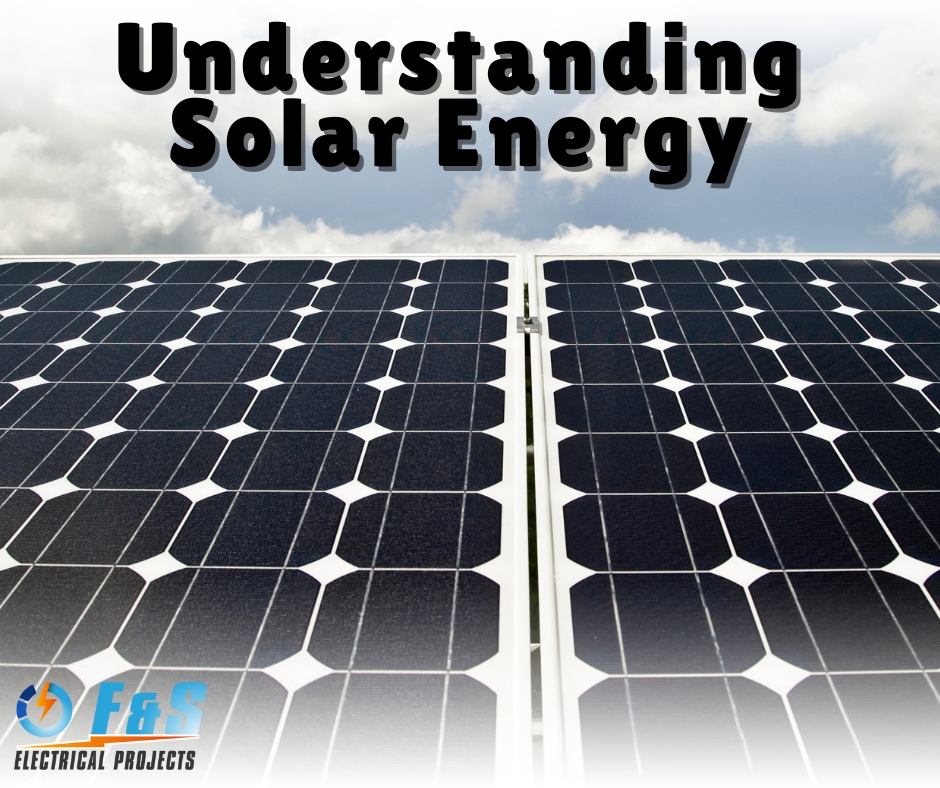
An ever-more-important and well-liked component of our renewable energy landscape is solar energy. But how does it function in practice? Here’s a quick summary to help you grasp the essentials.
What Is Solar Energy?
The power we extract from the light from the sun is known as solar energy. This energy is renewable, large, and useful for producing heat or power.
How Does Solar Energy Work?
Photovoltaic (PV) panels, sometimes referred to as solar panels, are essential for transforming sunlight into electrical power. Here’s a detailed look at the procedure:
Sunlight Hits the Panels: When sunlight strikes the solar panels, it stimulates the photovoltaic cells within the panels.
Generation of DC Electricity: The photovoltaic cells convert sunlight into direct current (DC) electricity.
Inverter Converts DC to AC: An inverter then converts this DC electricity into alternating current (AC) electricity, which is the type used by most household appliances.
Electricity Distribution: The AC electricity is distributed throughout your home or business to power your devices and lighting. Any excess energy can be stored in batteries or fed back into the grid.
Benefits of Solar Energy
Renewable: Solar energy is a limitless resource, unlike fossil fuels which are finite.
Environmentally Friendly: It produces no greenhouse gases, reducing your carbon footprint.
Cost-Effective: After the initial installation, solar energy can significantly reduce your electricity bills.
Comprehending the functioning of solar energy aids in recognising its worth and possibilities. Our goal at F&S Energy Projects is to enable everyone to benefit from and have access to renewable energy. To find out more about how you can use the sun’s power, get in touch with us right now.