There are various types of solar equipment used to harness and utilize solar energy. Here are some common types:
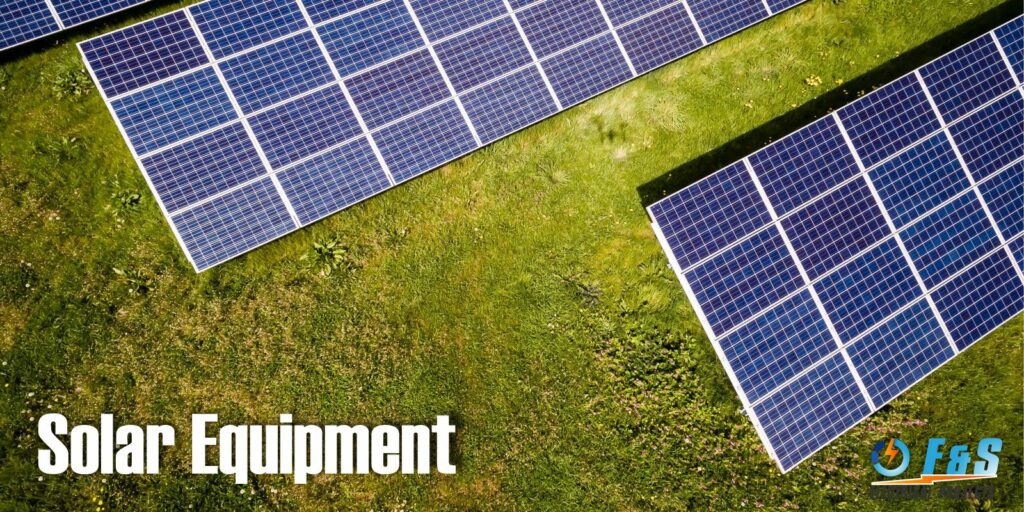
- Solar Panels (Photovoltaic Panels): Solar panels are the most recognizable component of a solar power system. They consist of multiple solar cells made from semiconductor materials (such as silicon) that convert sunlight into electricity through the photovoltaic effect. Solar panels are typically installed on rooftops or open areas to capture sunlight.
- Solar Inverters: Solar inverters are devices that convert the direct current (DC) electricity produced by solar panels into alternating current (AC) electricity, which is suitable for use in homes, businesses, and the electrical grid. Inverters also provide various monitoring and control functions for the solar system.
- Solar Batteries: Solar batteries, also known as energy storage systems, store excess electricity generated by solar panels during the day for use during periods of low sunlight or at night. These batteries allow for greater self-consumption of solar energy and can provide backup power in case of grid outages.
- Solar Charge Controllers: Solar charge controllers regulate the charging process of batteries in off-grid solar systems. They prevent overcharging or deep discharging of batteries, ensuring optimal battery health and performance.
- Solar Thermal Collectors: Solar thermal collectors capture the sun’s heat to produce hot water or to generate steam for various applications. They can be used in solar water heating systems, solar pool heating systems, or concentrated solar power (CSP) plants.
- Solar Water Pumps: Solar water pumps utilize solar energy to power water pumps, eliminating the need for grid electricity or fuel-powered pumps. These systems are commonly used for irrigation in agriculture, livestock watering, and water supply in remote areas.
- Solar Air Heaters: Solar air heaters use solar energy to heat air, which can then be used for space heating or ventilation purposes. These systems can help reduce energy consumption and provide cost-effective heating solutions.
- Solar Lights: Solar-powered lights, such as solar street lights, garden lights, and pathway lights, use photovoltaic panels to charge internal batteries during the day. The stored energy is then used to power the lights at night, eliminating the need for external power sources or wiring.
- Solar-powered Ventilation Systems: Solar-powered ventilation systems use solar energy to power fans or blowers that help circulate air and improve ventilation in buildings. These systems can be used to cool attics, reduce moisture, and enhance indoor air quality.
- Solar-powered Gadgets and Accessories: There is a wide range of small solar-powered gadgets and accessories available, including solar chargers for mobile devices, solar-powered backpacks, solar-powered fans, and solar lanterns, which provide portable and renewable energy solutions for outdoor activities and emergencies.
It’s worth noting that the specific solar equipment needed will vary depending on the intended application, system size, and location. Consulting with our solar energy professional or installer can help determine the most suitable equipment for your specific needs.